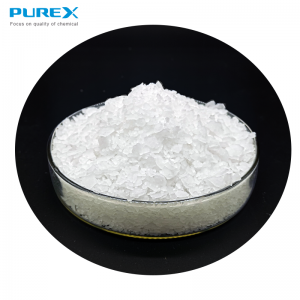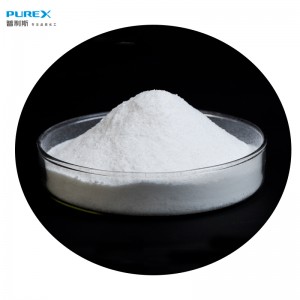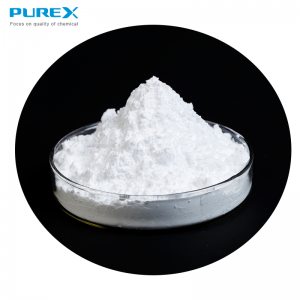


Будаг, дөл хамгаалагчийн хямд үнэтэй CAS 80-05-7 поликарбонатын зэрэглэлийн бисфенол а/BPA
Бид ихэвчлэн үйлчлүүлэгчдэд чиглэсэн бөгөөд хамгийн найдвартай, итгэл хүлээсэн, шударга үйлчилгээ үзүүлэгч төдийгүй CAS 80-05-7 поликарбонатын зэрэглэлийн бисфенол а/BPA будаг, галд тэсвэртэй бодисын хямд үнийн түнш болоход анхаарлаа хандуулдаг. Манай корпораци дэлхийн өнцөг булан бүрээс ирсэн үйлчлүүлэгчид болон бизнес эрхлэгчидтэй урт хугацааны, тустай бизнесийн түншлэлийн харилцаа холбоо тогтоохыг тэсэн ядан хүлээж байна.
Бид ихэвчлэн үйлчлүүлэгчдэд чиглэсэн бөгөөд хамгийн найдвартай, итгэл хүлээсэн, шударга үйлчилгээ үзүүлэгч төдийгүй үйлчлүүлэгчдийнхээ түнш байхыг эрхэмлэдэг. Бид "Чанар бол нэгдүгээрт, Технологи бол үндэс суурь, Шударга байдал ба Инноваци" гэсэн удирдлагын зарчмыг үргэлж баримталдаг. Бид үйлчлүүлэгчдийнхээ янз бүрийн хэрэгцээг хангахын тулд шинэ бүтээгдэхүүнийг тасралтгүй өндөр түвшинд гаргаж чадсан.
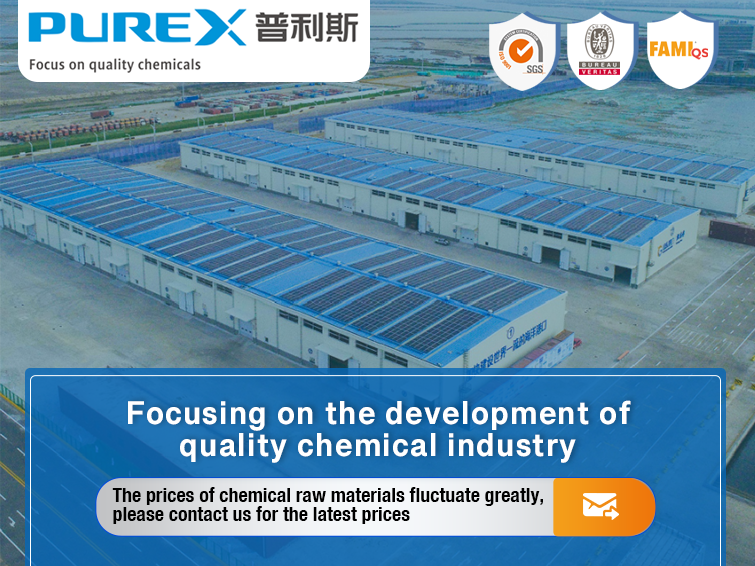
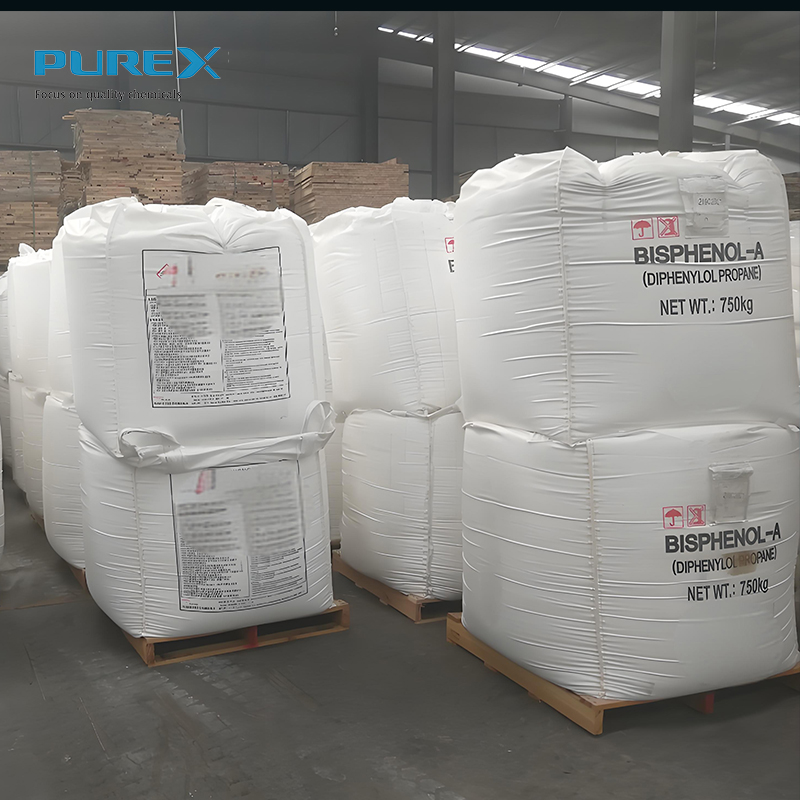
Бисфенол А-г хадгалах нөхцөл нь "муудалтаас урьдчилан сэргийлэх, аюулгүй байдлыг хангах, хүрээлэн буй орчинд үзүүлэх нөлөөллөөс зайлсхийх" гэсэн үндсэн зорилтуудын эргэн тойронд эргэлдэх ёстой.
Бисфенол А (BPA)-ийн хэрэглээ
Бисфенол А (BPA) нь поликарбонат, эпокси давирхай, өндөр температурт тэсвэртэй полиэстрийг нийлэгжүүлэхэд зайлшгүй шаардлагатай түүхий эд юм. Мөн PVC тогтворжуулагч, хуванцар антиоксидант, хэт ягаан туяа шингээгч, фунгицид гэх мэтийг ашигладаг.
Олон талт нэгдэл болох BPA нь эпокси давирхай, поликарбонат, полиэстр давирхай, полифенилен эфир давирхай, полисульфон давирхай үйлдвэрлэхэд өргөн хэрэглэгддэг. Үүнээс гадна, энэ нь поливинил хлорид (PVC)-ийн тогтворжуулагч, хуванцар дахь антиоксидант, хэт ягаан туяа шингээгч, хөдөө аж ахуйн фунгицид, резин дэх хөгшрөлтийн эсрэг бодис болдог.
Үүнийг мөн будаг, бэхэнд антиоксидант болон хуванцаржуулагч болгон ашигладаг. Органик синтезийн үед BPA нь эпокси болон поликарбонат давирхай үйлдвэрлэх гол орц найрлага болж, өндөр молекул жинтэй синтетик нэгдлүүдийн чухал түүхий эд, мөн хөгшрөлтийн эсрэг бодис, хуванцаржуулагч, хөдөө аж ахуйн фунгицид болгон өргөн хэрэглэдэг.
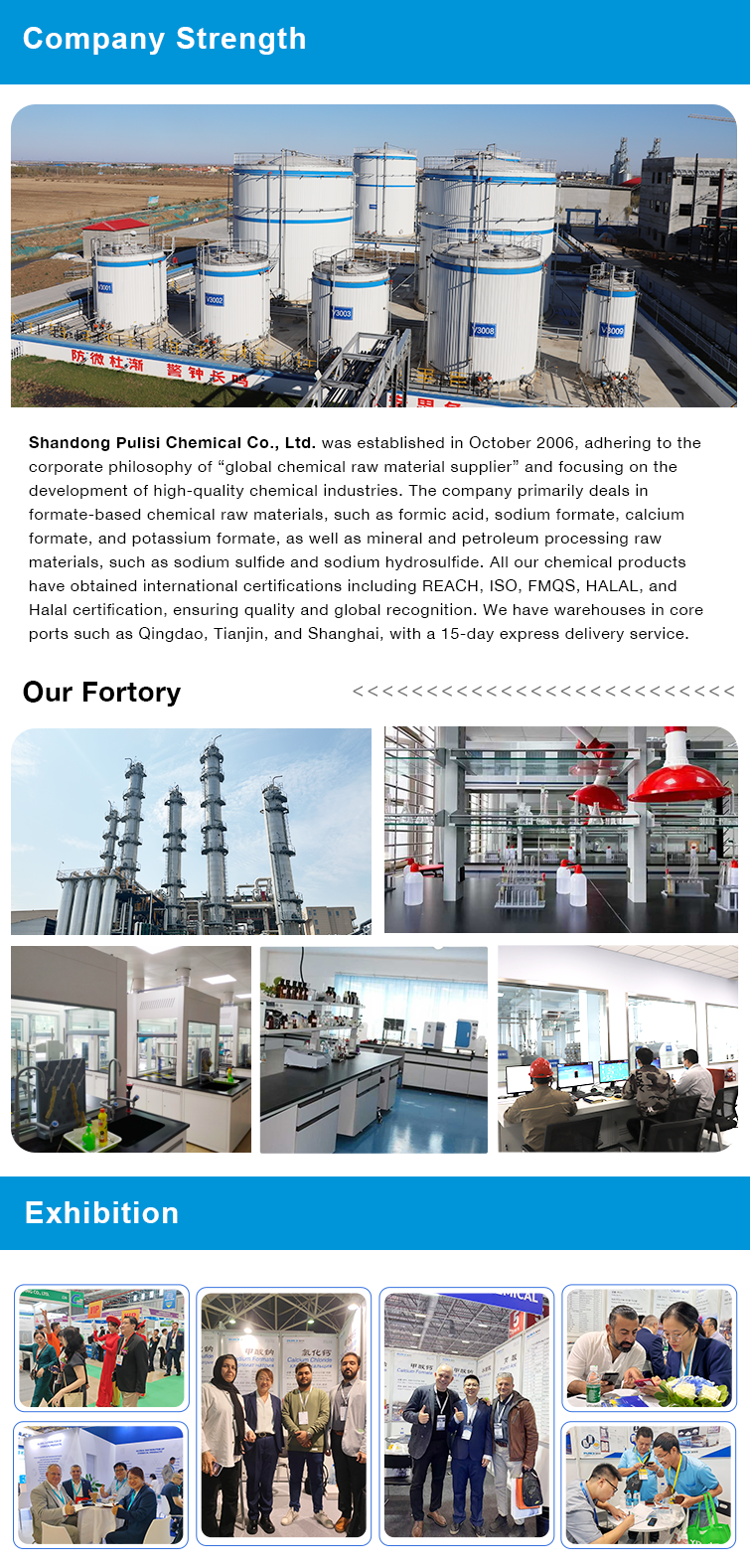
1. Хүргэлтийн найдвартай байдал ба үйл ажиллагааны шилдэг байдал
Гол онцлогууд:
Чиндао, Тяньжин, Лонгкоу боомтын агуулахуудад 1,000 гаруй бараа материалын стратегийн төвүүд бий.
метрик тонн нөөц боломжтой
Захиалгын 68% нь 15 хоногийн дотор хүргэгдсэн; яаралтай захиалгыг экспресс логистикээр эрэмбэлдэг
суваг (30% хурдатгал)
2. Чанар ба зохицуулалтын нийцэл
Гэрчилгээнүүд:
REACH, ISO 9001 болон FMQS стандартын дагуу гурвалсан гэрчилгээтэй
Дэлхийн эрүүл ахуйн дүрэм журмыг дагаж мөрддөг; Гаалийн бүрдүүлэлт 100% амжилттай болсон
Оросын импорт
3. Гүйлгээний аюулгүй байдлын хүрээ
Төлбөрийн шийдлүүд:
Уян хатан нөхцөл: LC (харагдах/хугацаа), TT (20% урьдчилгаа + тээвэрлэлтийн дараа 80%)
Тусгай схемүүд: Өмнөд Америкийн зах зээлд зориулсан 90 хоногийн LC; Ойрхи Дорнод: 30%
барьцаа + BL төлбөр
Маргаан шийдвэрлэх: Захиалгатай холбоотой зөрчлийн 72 цагийн хариу арга хэмжээний протокол
4. Чадварлаг хангамжийн сүлжээний дэд бүтэц
Олон төрлийн логистикийн сүлжээ:
Агаарын тээвэр: Тайланд руу пропионы хүчил тээвэрлэлтийг 3 хоногийн дотор хүргэнэ
Төмөр замын тээвэр: Евразийн коридороор дамжин Орос руу кальцийн форматын тусгай маршрут
ISO TANK шийдлүүд: Шингэн химийн бодисыг шууд тээвэрлэх (жишээ нь, пропионы хүчил)
Энэтхэг)
Сав баглаа боодлын оновчлол:
Flexitank технологи: этилен гликолын өртгийг 12%-иар бууруулна (уламжлалт хүрдтэй харьцуулахад)
сав баглаа боодол)
Барилгын зэрэглэлийн кальцийн формат/натрийн гидросульфид: Чийгэнд тэсвэртэй 25кг нэхмэл PP уут
5. Эрсдэлийг бууруулах протоколууд
Төгсгөлөөс төгсгөл хүртэлх харагдах байдал:
Контейнер тээвэрлэлтийг бодит цагийн GPS хянах
Хүрэх боомтууд дээрх гуравдагч талын үзлэгийн үйлчилгээ (жишээ нь, Өмнөд Африк руу цууны хүчил тээвэрлэх)
Борлуулалтын дараах баталгаа:
Солих/буцаан олголттой 30 хоногийн чанарын баталгаа
Хөргөгчтэй контейнер тээвэрлэлтийн үнэгүй температурын хяналтын бүртгэл
Бисфенол А (BPA)-ийн үйлдвэрлэлийн үйлдвэрлэл 1923 онд эхэлсэн. Өнөөг хүртэл дэлхийн хэмжээнд BPA-ийн үйлдвэрлэлийн хүчин чадал 1.45 сая тоннд хүрсэн байна. Хятадад Бисфенол А BPA-ийн үйлдвэрлэл эпокси давирхайн хөгжил дэвшилтэй зэрэгцэн хөгжсөн. 1958-1980 онуудад нэлээд удаан хугацаанд эпокси давирхай үйлдвэрлэдэг бүх үйлдвэрүүд BPA-г өөрсдөө туслах бүтээгдэхүүн болгон үйлдвэрлэж байсан. Ихэнх үйлдвэрлэгчид хүхрийн хүчлийн аргыг (хуучин хүхрийн хүчлийн арга болон сайжруулсан хүхрийн хүчлийн аргыг оруулаад) хэрэглэснээс хойш үйлдвэрлэсэн Бисфенол А BPA нь Хүснэгт 1-д үзүүлсэн чанарын үзүүлэлтүүдийг хангаж чадаагүй. Үүний үр дүнд дотооддоо үйлдвэрлэсэн арилжааны Бисфенол А BPA зах зээл дээр бараг харагдахгүй байв.